What happens when quantum computing and artificial intelligence come together? The answer is Quantum Machine Learning (QML), an emerging field that combines quantum physics concepts such as superposition and entanglement with machine learning techniques to push the boundaries of computation and intelligence.
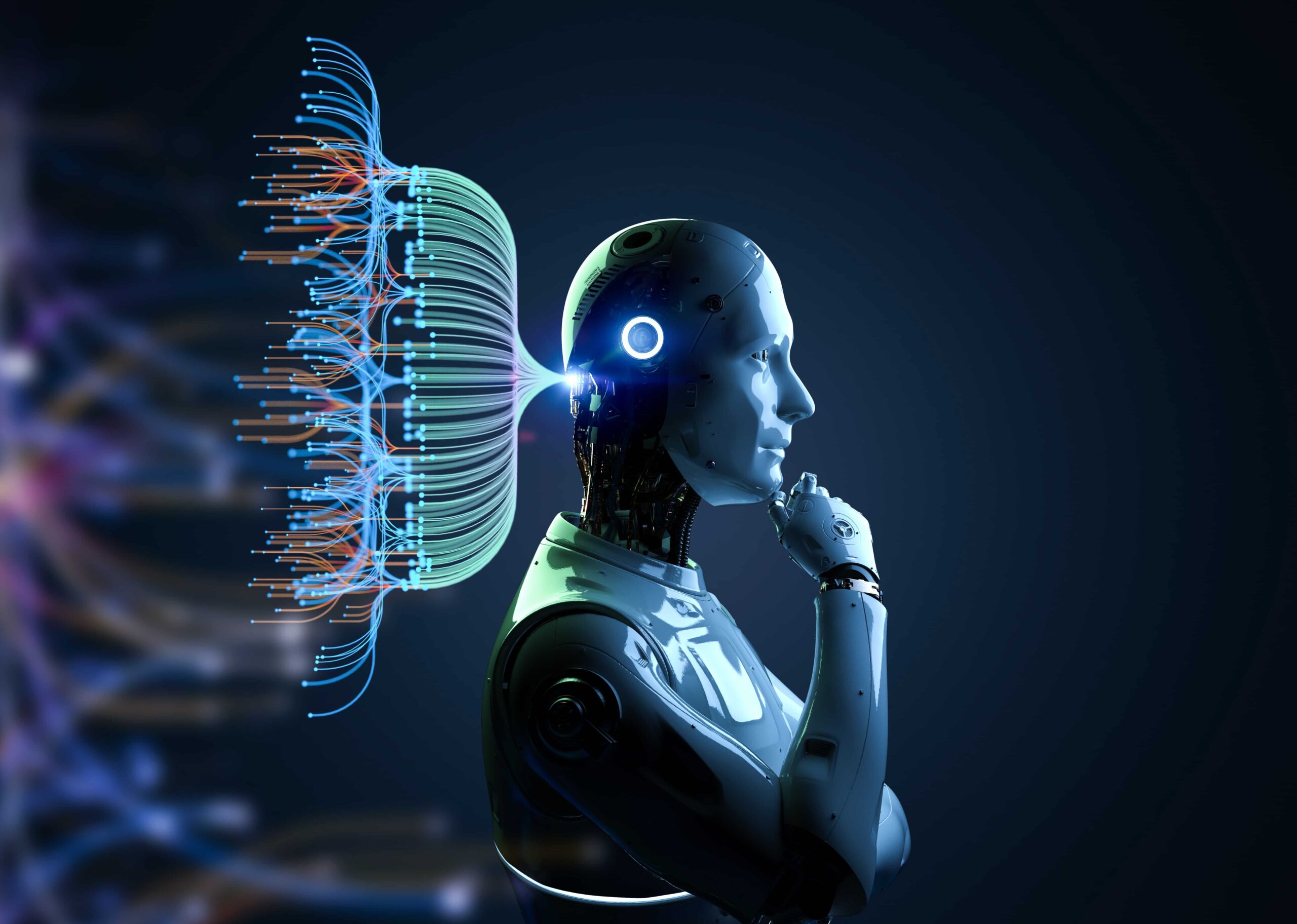
QML explores how machine learning can support quantum technologies, by helping discover quantum error-correcting codes, estimating the properties of quantum systems, and designing new quantum algorithms. At the same time, quantum computing offers machine learning new computational tools to tackle problems that overwhelm classical systems.
The motivation behind QML is scale and complexity. As datasets and models grow, traditional machine learning faces increasing limits in speed and efficiency. Quantum computing introduces new ways to accelerate calculations, model complex systems more accurately in domains such as chemistry, finance, and logistics, and unlock novel approaches to optimization and pattern recognition.
While the field is still in its early stages, progress is already visible. Today’s quantum hardware remains noisy and limited, but hybrid quantum–classical approaches are showing promising results. These early successes suggest that QML could significantly reshape how AI systems are developed and deployed in the years ahead.
Quantum Machine Learning may not replace classical AI overnight, but it represents a powerful new direction, one that could redefine what intelligent systems are capable of as quantum technologies mature.